
Welcome to your new site.
Start by updating the cover image or adding some new content.
Set up antivirus, clear out bloatware, and perform other tasks to keep your PC humming well into the future.
By Brad Chacos
Executive editor, PCWorld AUG 22, 2022 4:30 AM PDT
 Adam Patrick Murray/IDG
abbakarsadeek2@gmail.com
So you’ve got a new computer. Awesome! That humble metal box is the key to a wide world of potential. It can help you with everything from juggling your finances to keeping in touch with your family to blowing off some steam on, uh, Steam.
But a new PC isn’t like a new car; you can’t just turn a key and put the pedal to the metal. Okay, maybe you can—but you shouldn’t. Performing just a few simple activities when you first fire it up can help it be safer, faster, and better poised for the future. Here’s how to set up a new laptop or desktop computer the right way, step by step.
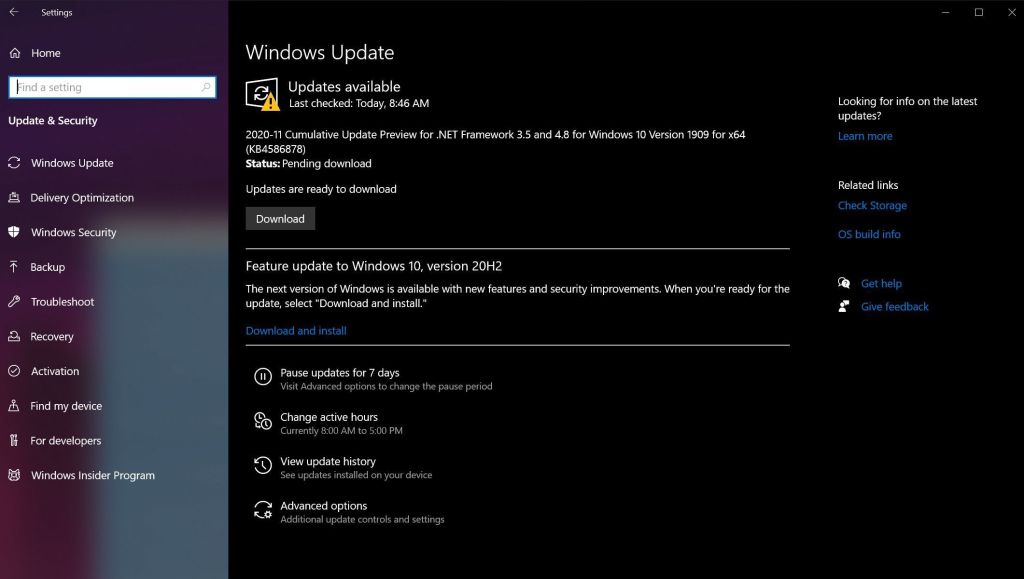
Run Windows Update on your new PC
The first step is by far the most tedious. You shouldn’t muck around on the web unless your copy of Windows is fully patched and up to date, period. Now for the bad news: Depending on how long your PC sat on the retail shelf, this could take minutes—or hours. Either way, it has to get done.
Microsoft releases new Windows patches at least once per month. Major “feature” upgrades for Windows 10 and 11 occurred twice per year in the past, but will slow to one per year in the future, with fresh features also being sprinkled in here and there throughout the year. If your computer isn’t fully patched, you could be missing key security fixes and notable new features.
Run Windows Update on your new PC
The first step is by far the most tedious. You shouldn’t muck around on the web unless your copy of Windows is fully patched and up to date, period. Now for the bad news: Depending on how long your PC sat on the retail shelf, this could take minutes—or hours. Either way, it has to get done.
Microsoft releases new Windows patches at least once per month. Major “feature” upgrades for Windows 10 and 11 occurred twice per year in the past, but will slow to one per year in the future, with fresh features also being sprinkled in here and there throughout the year. If your computer isn’t fully patched, you could be missing key security fixes and notable new features.
0 of 1 hour, 21 minutes, 22 seconds
00:02
1:21:22
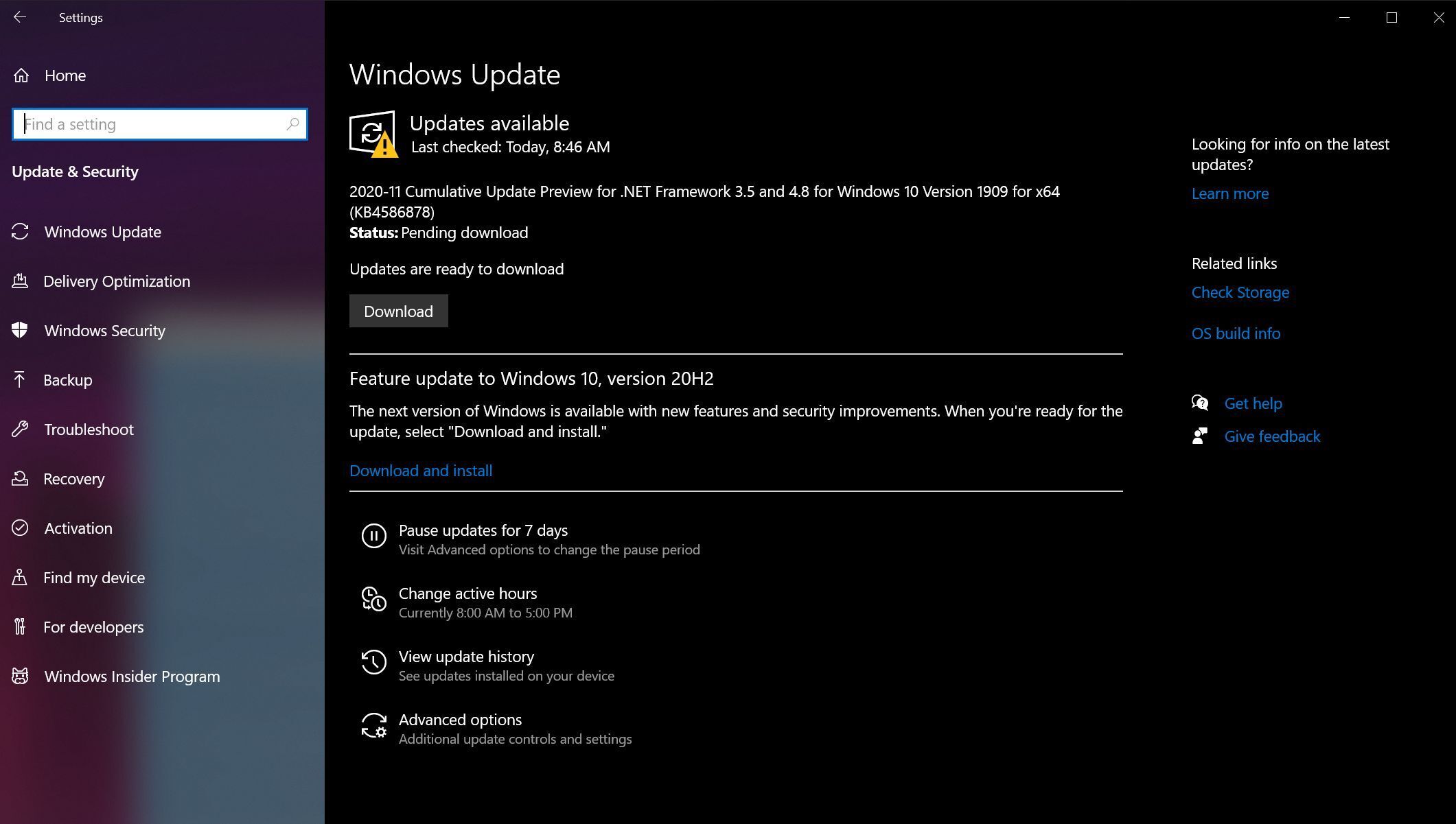
First, make sure your PC’s connected to the internet. In Windows 10, open the Start menu and head to Settings > Update and security > Check for Updates. Your system will search for updates, and find some. Download and install them, then reboot your computer and do it again… and again… and again… until the update check fails to return new entries. Hopefully it won’t take too long, but in worst-case scenarios updating a new computer can take an hour or more.
On the bright side, Windows will download and install new updates as they roll out in the future. You just have to get over this initial hump!
If your new laptop came with Windows 10 installed, you may see the option to upgrade to Windows 11. We recommend skipping Windows 11 for now. There’s not only a new interface to learn, but the fresh-out-of-the-oven operating system also has multiple rough edges and outright bugs in these early days. Feel free to read our exhaustive Windows 11 review and decide for yourself if it’s offered, though. If you already have Microsoft’s new-look OS, here’s how to fix Windows 11’s worst annoyances, and how to make Windows 11 look like Windows 10.
 Site Title